

Course disclosure
- This educational program has been developed by CSL Vifor
- It is intended to provide pertinent data to assist healthcare professionals in forming their own conclusions and making decisions
- It is not intended to replace the judgment or experience of the attending provider or other medical professionals
- Case studies are fictional and intended for educational purposes only
- All prescribing decisions are the sole responsibility of the attending provider

The Hb molecule, a combination of the protein globin and nonprotein portions called heme, is the main component of RBCs and is responsible for transporting oxygen in the blood.1
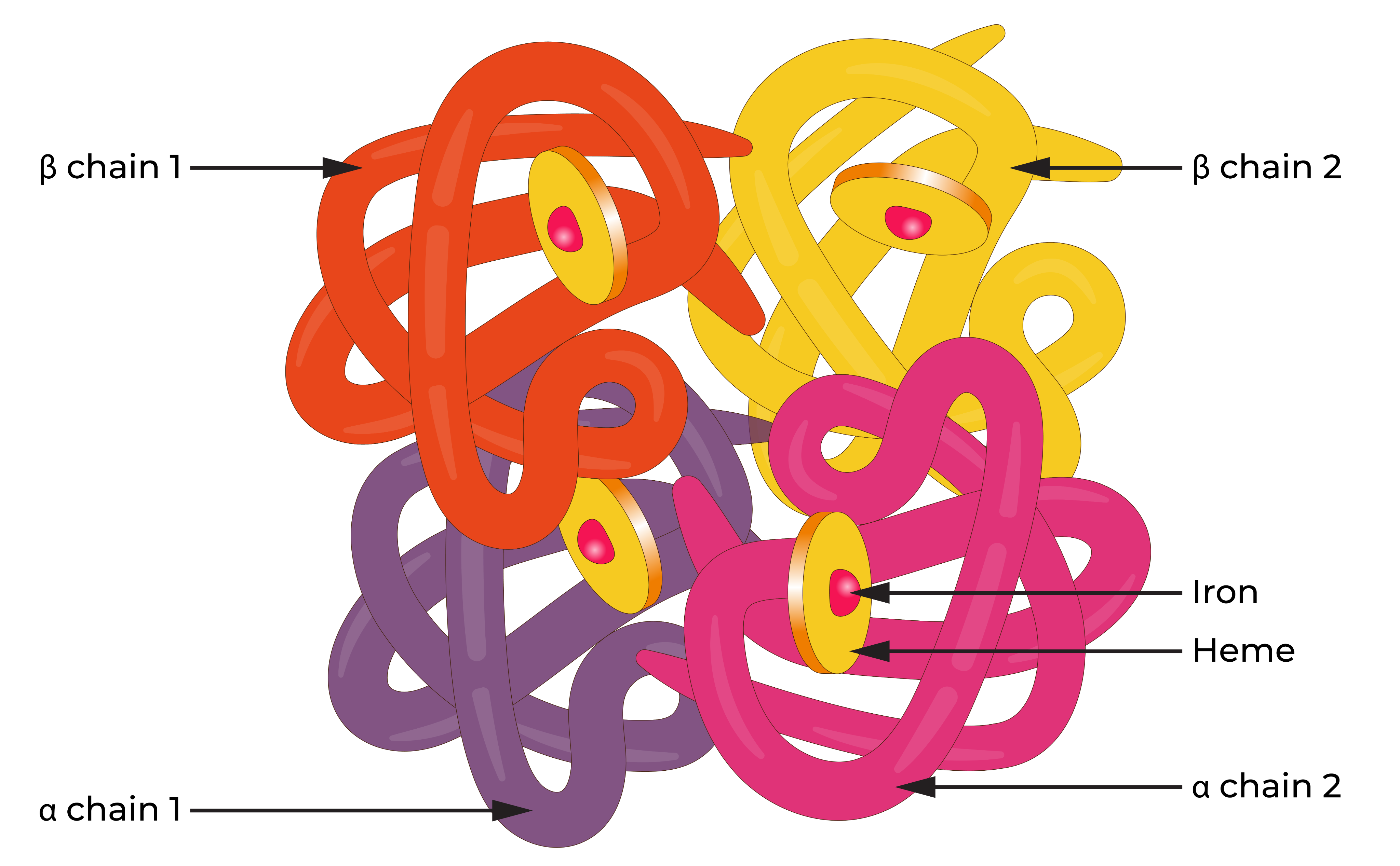
Hb is composed of 4 subunits. Each subunit contains one alfa or beta globin chain and heme group. The heme group is made of an iron atom in its ferrous form (Fe2+) at its core which can bind one oxygen molecule (O2), allowing 1 hemoglobin tetramer to bind a total of 4 oxygen molecules.1
Anemia is a clinical presentation of different underlying conditions characterized by a reduction in Hb level or RBC count.2
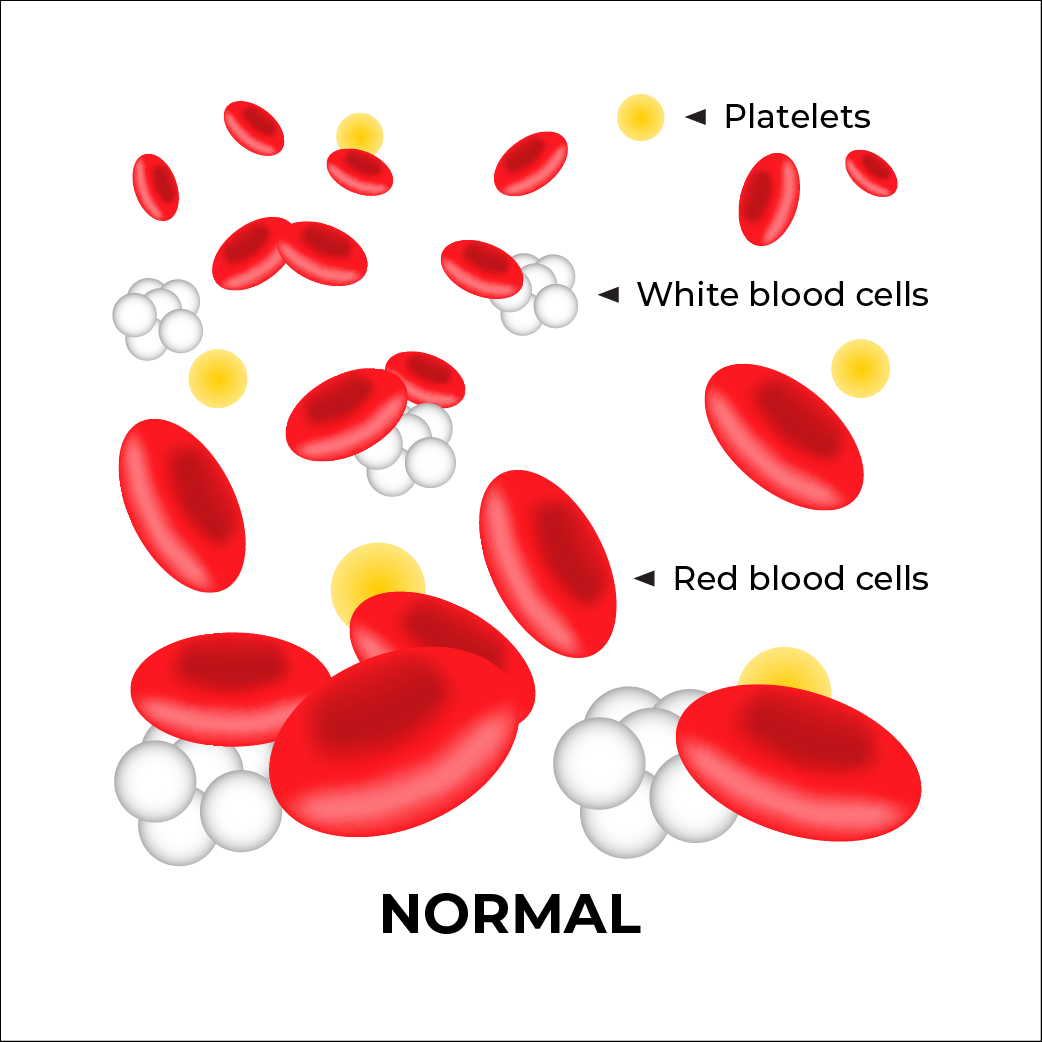
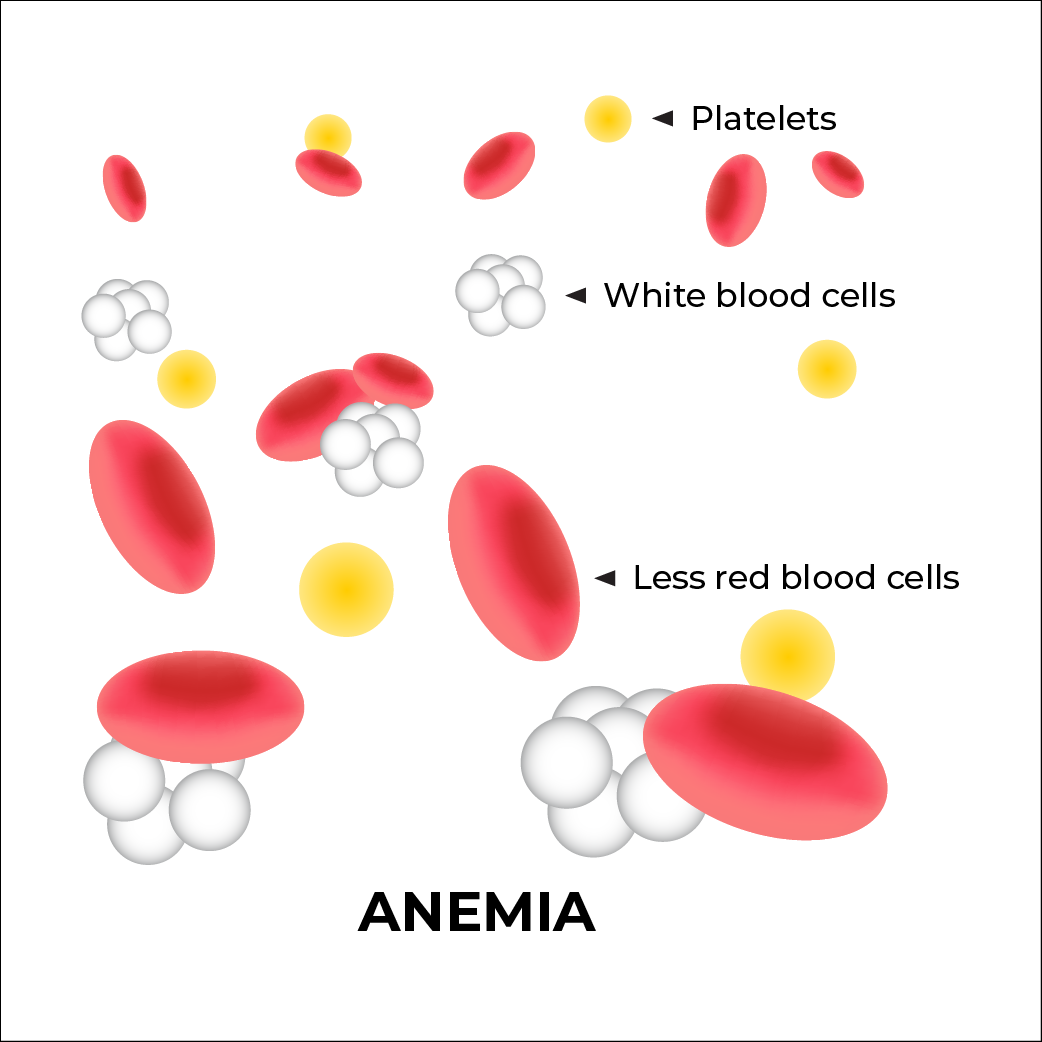

Anemia associated with CKD is one of the frequent complications of deteriorating kidney function in CKD. As the kidney has a critical role in erythropoiesis, CKD progression has a direct impact on development of anemia.3
The pathogenesis of anemia associated with CKD is frequently multifactorial. However, erythropoietin (EPO) insufficiency and iron deficiency are most prominent, as EPO and iron are pivotal for appropriate Hb and RBC production.3
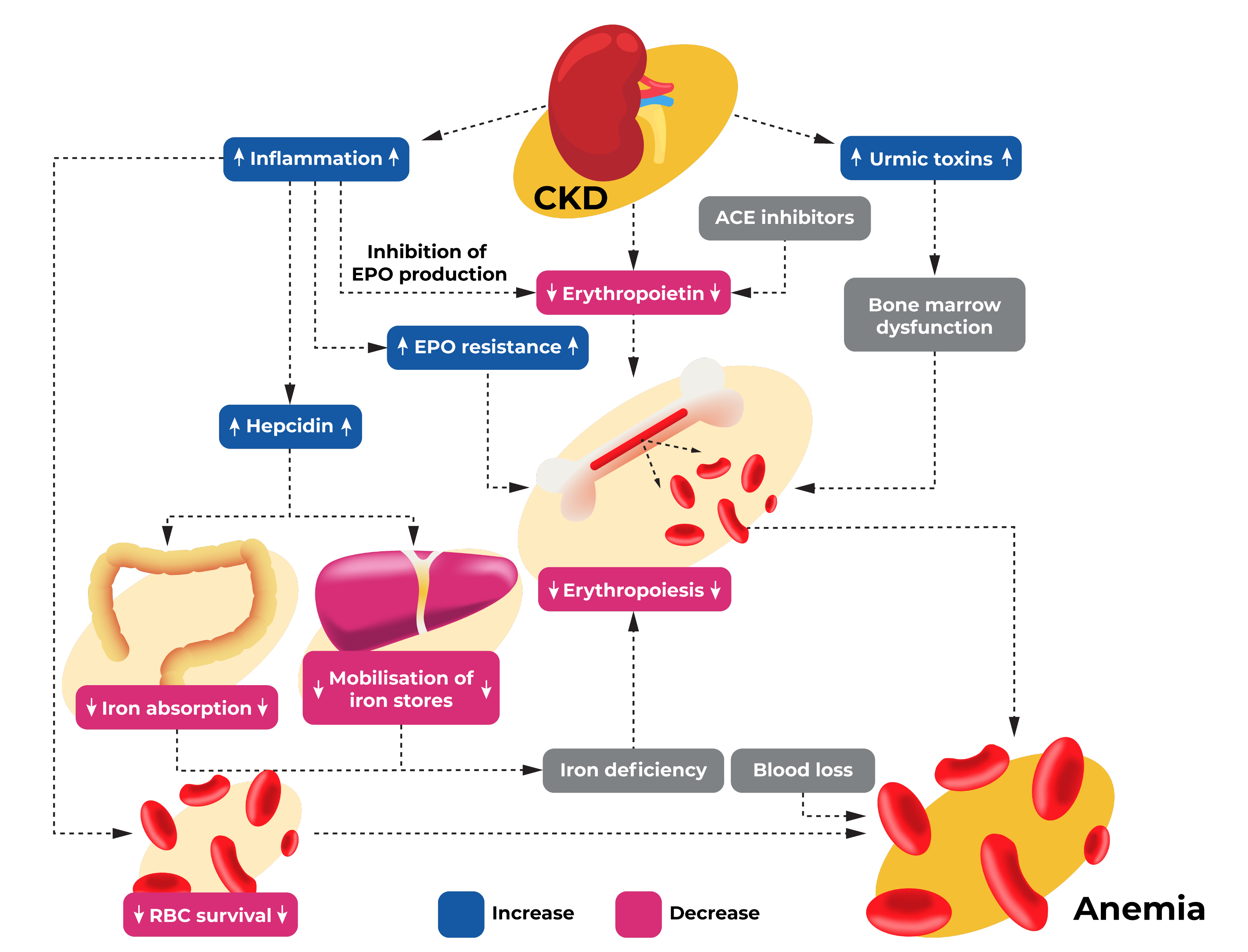
Adapted from Badura K, et al. 2024.4

Diagnosis of anemia is based on the concentration of Hb in the blood, which differs between men and women. World Health Organisation (WHO) and Kidney Disease Improving Global Outcomes (KDIGO) guidelines provide clear diagnostic criteria for anemia.3,5
Diagnostic criteria for anemia in adults and children >15 years with CKD3,5

Hemoglobin
<13.0 g/dL

Hemoglobin
<12.0 g/dL


Other thresholds have been proposed (including those that vary based on ethnicity, age and sex), but the WHO thresholds have been consistently used in studies of anemia in people with CKD.3
The clinical presentation of anemia associated with CKD is also similar to anemia from other causes and often non-specific.6 Therefore, the symptom profile should not be used as the basis for diagnosis.
Please note: Diagnostic criteria for anemia should not be confused with Hb treatment targets for anemia associated with CKD.

The prevalence of anemia in the US population increases with CKD stage.
Weighted prevalence of anemia* by CKD stage using pooled National Health and Nutrition Examination data from 1999–20187
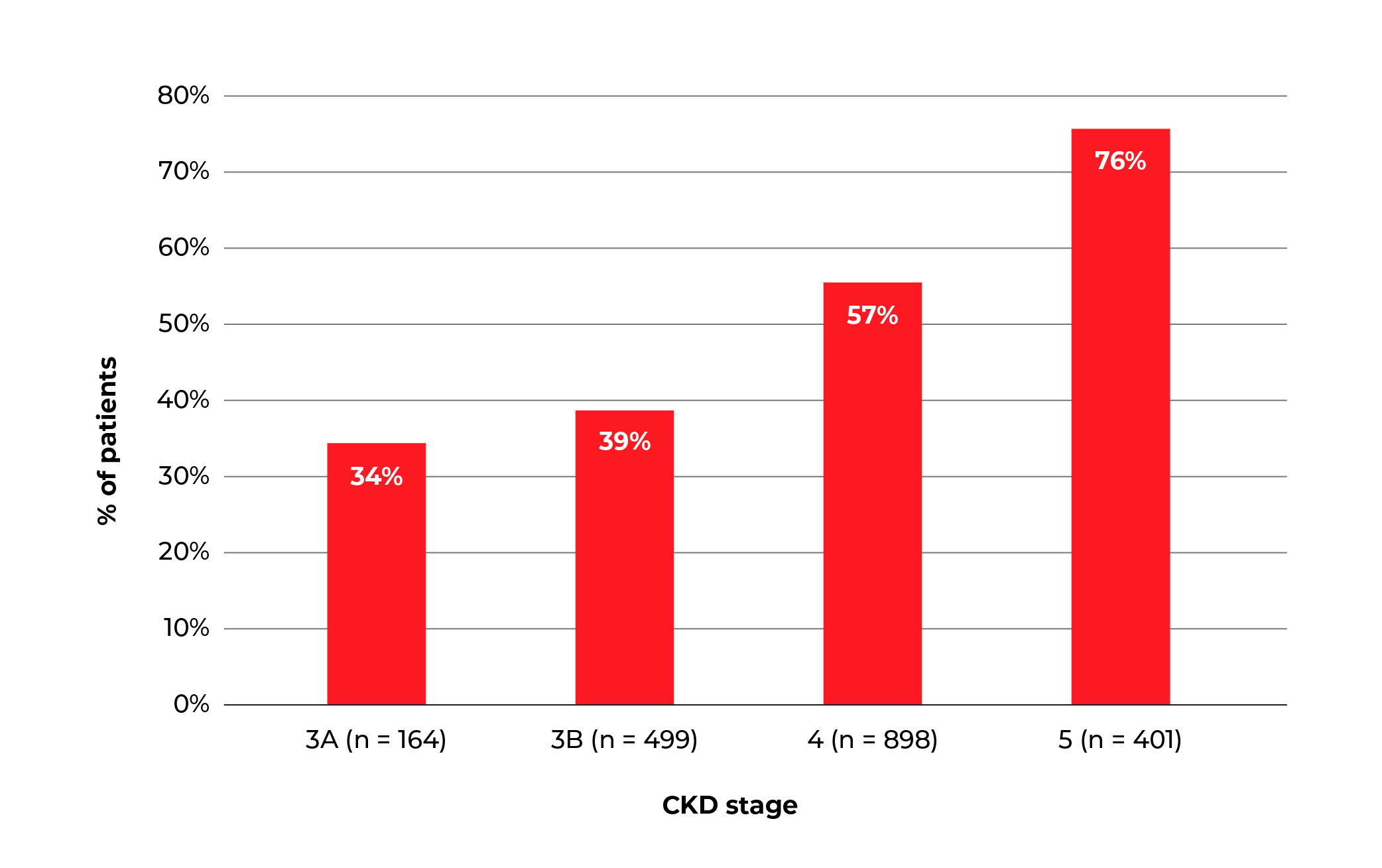
Adapted from Wong MMY, et al. 2020.7
*Hb <12 g/dL was used as the diagnostic definition of anemia in this study.
Please note: Diagnostic criteria for anemia should not be confused with Hb treatment targets for anemia associated with CKD.
The majority of US dialysis-dependent patients are anemic.
Hemoglobin levels in dialysis patients DOPPS 3-month average, February 20218
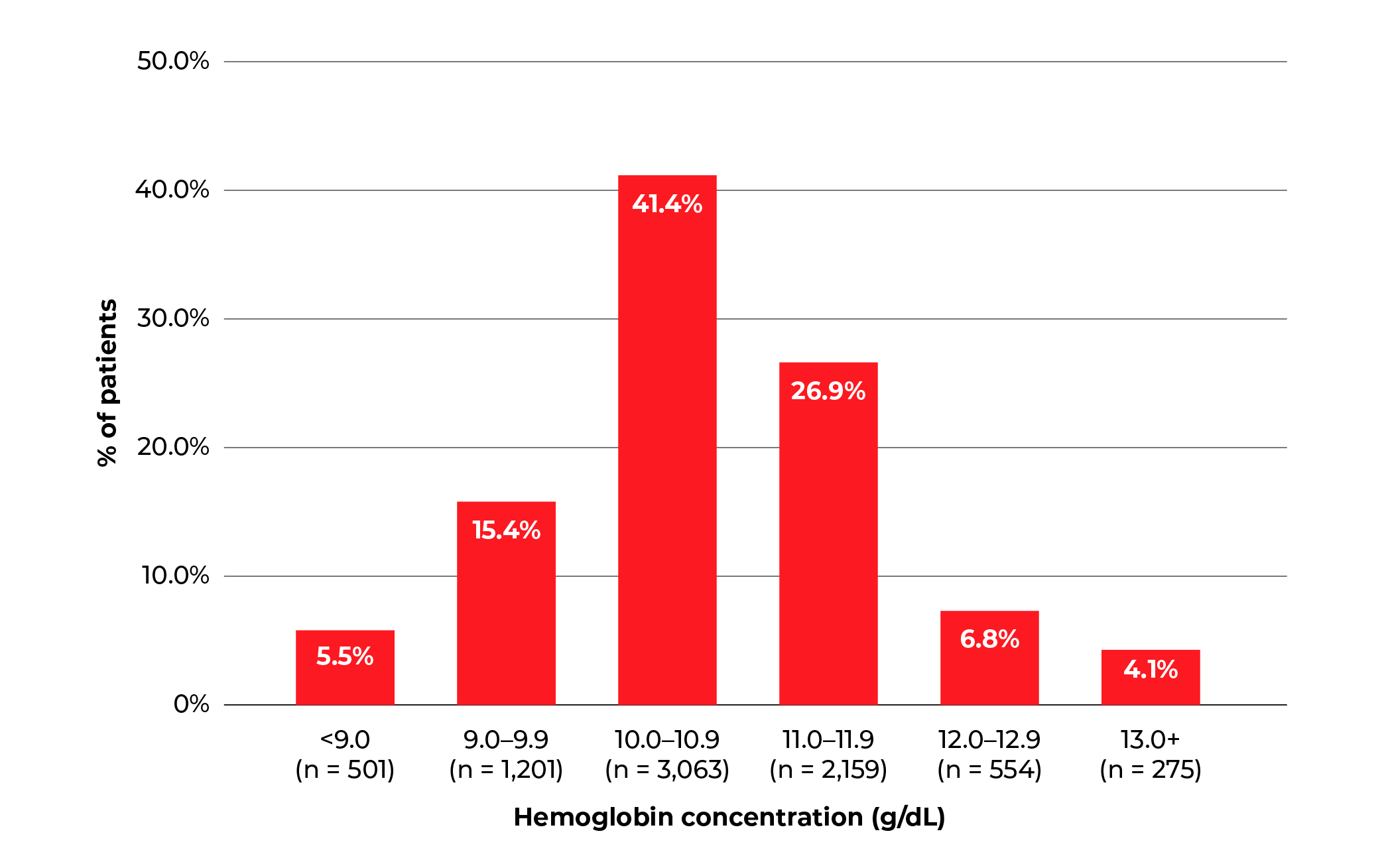
Adapted from DOPPS 2021.8
Please note: that while patients would still be considered anemic (<13 g/dL for males and <12 g/dL for females), US treatment targets limit use of some of the anemia medications once Hb is >11 g/dL3,9–15



All patients with CKD, regardless of stage or cause, should undergo hemoglobin testing.3
In people with CKD, test for anemia at referral, regularly during follow-up, and when anemia is suspected based on symptoms.3
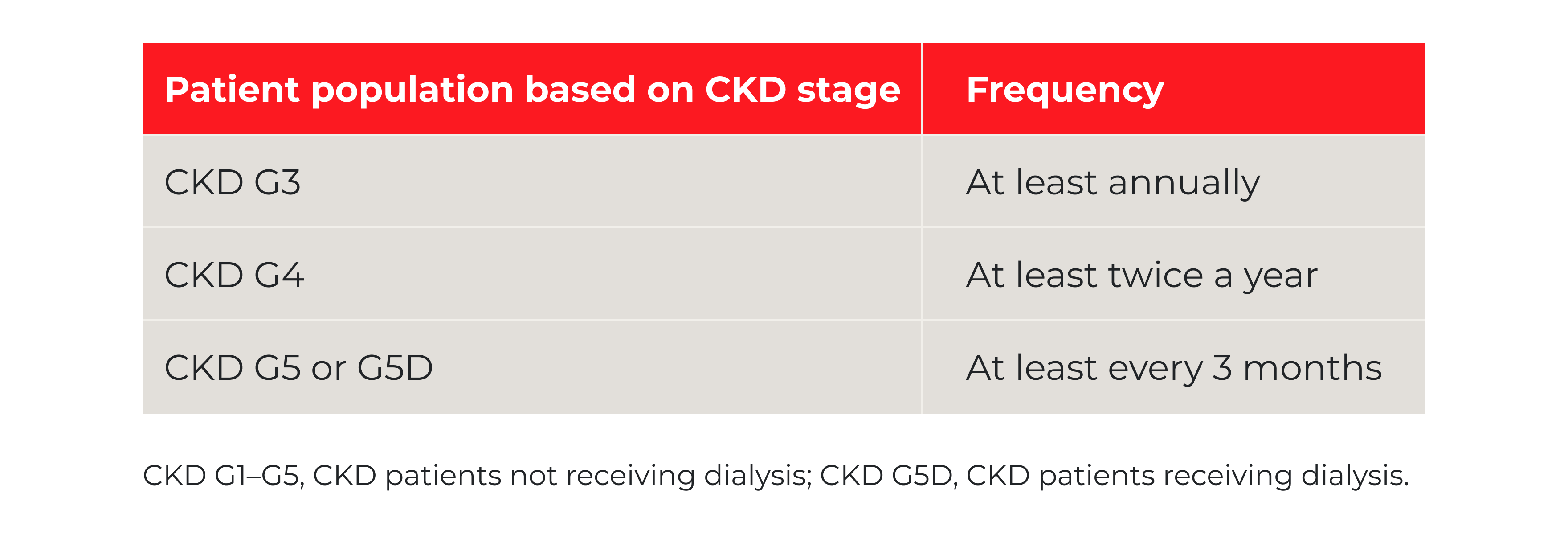
The suggested intervals are minimum frequencies to measure hemoglobin levels
In patients using erythropoietin-stimulating agents (ESAs) or hypoxia-inducible factor–prolyl hydroxylase inhibitors (HIF-PHIs), those with hemoglobin levels below the target range, or those experiencing a rapid progression of CKD, KDIGO advises using a higher testing frequency.3
CKD stages and risk as per KDIGO guidelines

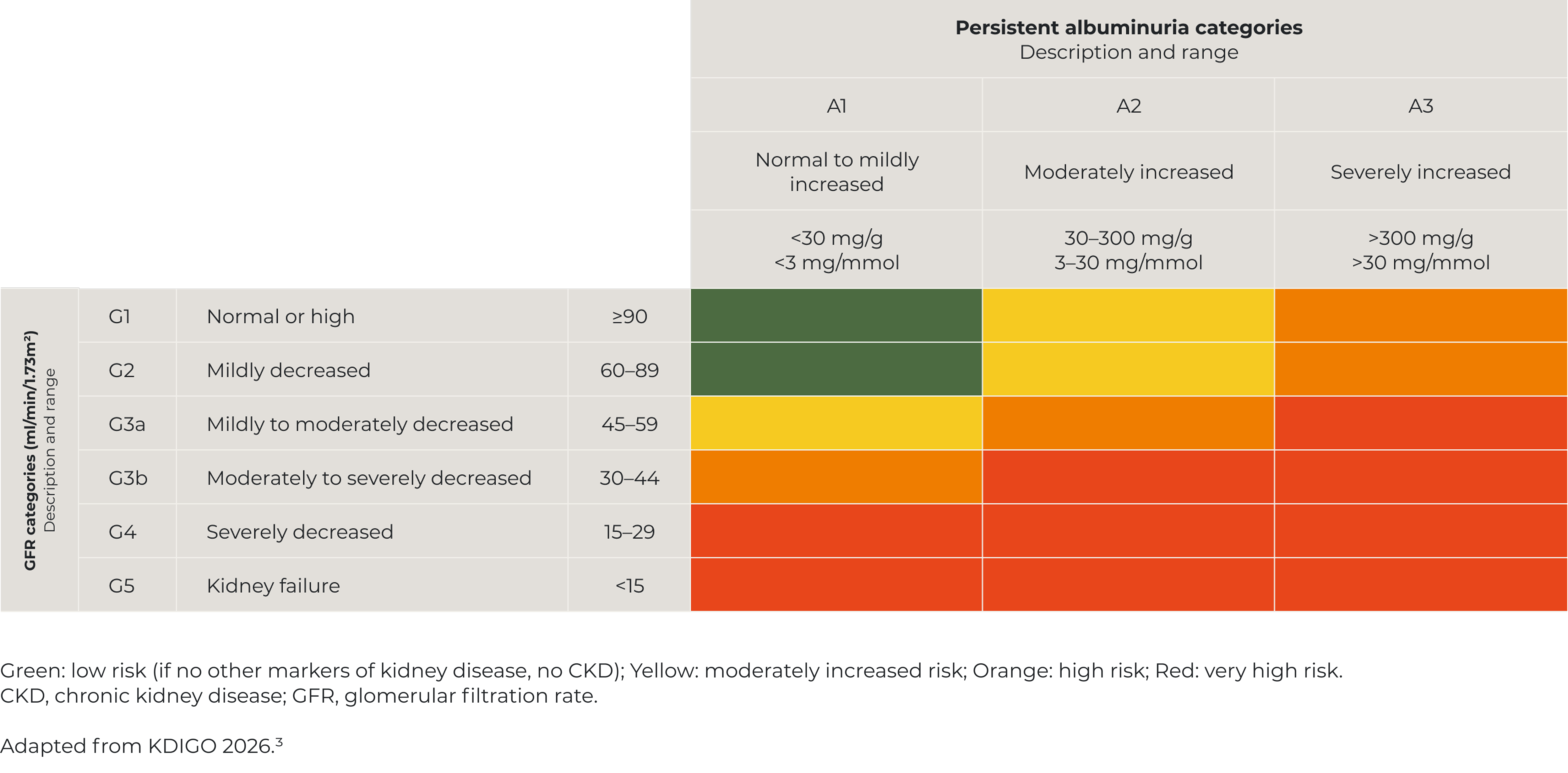

There are many potential causes of anemia associated with CKD and multiple causes may coexist:3
- Erythropoiesis deficiency/
hyporesponsiveness - Iron deficiency
- Other nutritional deficiency
(such as folate, vitamin B12) - Blood loss
- Hemolysis during hemodialysis
- Shortened RBC survival time
- Chronic inflammation
(including congestive heart failure, obesity, autoimmune disease) - Bone marrow suppression by inflammation, drugs, or malignancy (examples of drugs include angiotensin-converting enzyme inhibitors, angiotensin II receptor blockers, proliferation inhibitors in kidney transplant recipients)
- Hyperparathyroid or thyroid dysfunction
- Anti-ESA antibody-mediated pure red cell aplasia
Blood loss in dialysis
Blood loss in dialysis patients undergo frequent laboratory tests that require blood samples16,17
Clotting is impaired in CKD leading to increased blood loss during injury or sample collection18
Unavoidable blood loss in the dialyzer and tubing during hemodialysis16,17
Shortened RBC survival time
Premature death of RBCs is thought to be caused by oxidative stress, inflammation, hypoxia and uremia.19
A 30–70% reduction in RBC survival time has been observed in patients with CKD.20
Mean RBC survival time by stage of CKD20
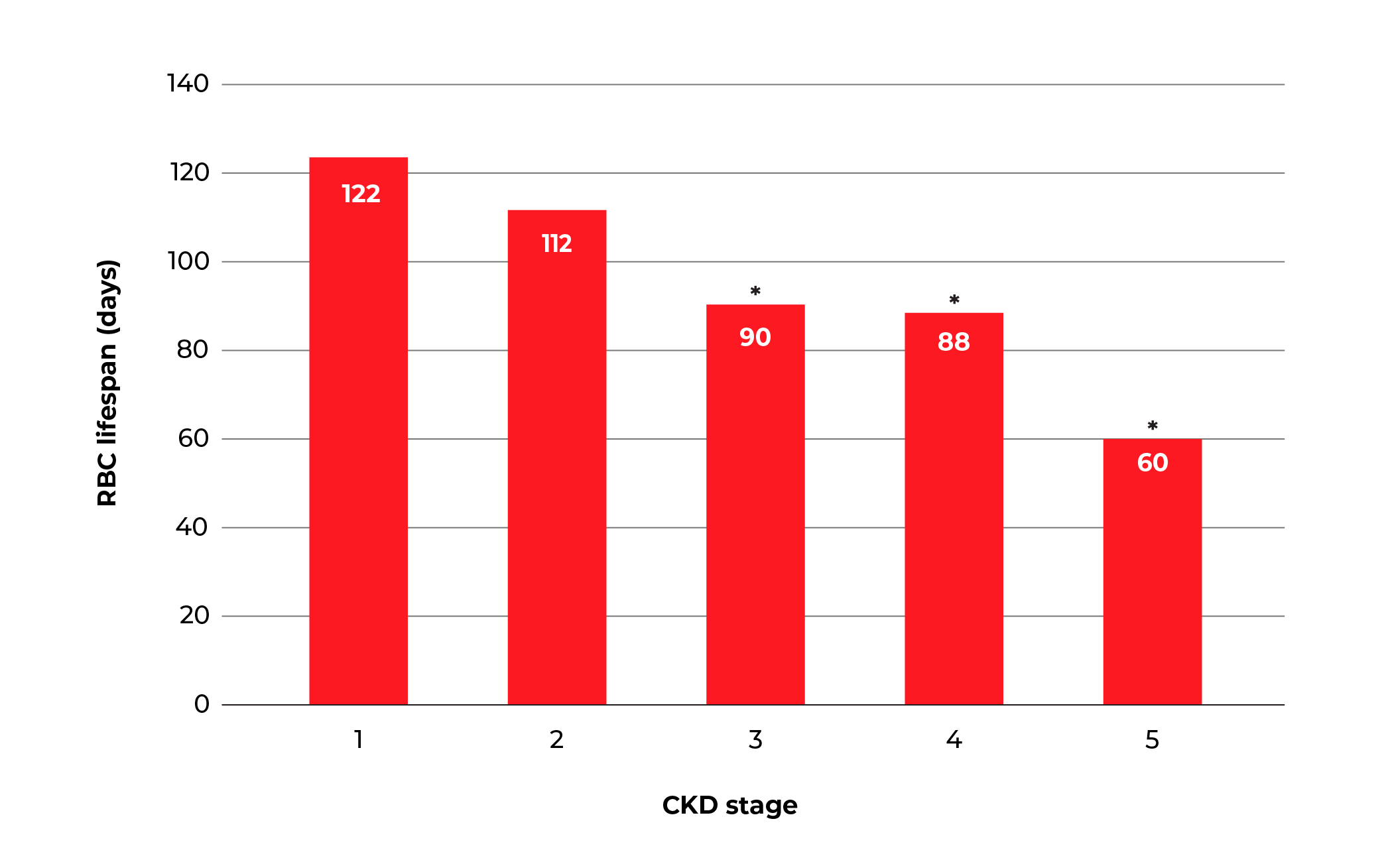
*Significantly shorter than CKD stage 1 (p<0.05).
Adapted from Li J-H, et al. 2019.2

Anemia associated with CKD is associated with increased risk/incidence of many adverse cardiovascular, functional, and kidney outcomes.3
- Coronary heart disease/major adverse cardiovascular events
- Left ventricular hypertrophy
- Heart failure

- Impaired quality of life
- Decreased muscle mass and strength in kidney transplant recipients
- Decreased work productivity
- Cognitive impairment
- Dementia
- Mortality
- Higher transfusion requirements
- CKD progressing/kidney failure
- Hospitalization (all-cause, cardiovascular, and bleeding)
- Higher medical costs


Paul, 60
- Diagnosed with CKD stage G3b last year
- Frequently feels fatigued
- Also receiving treatment for hypertension

Janet, 57
- Recently diagnosed with CKD stage G3b
- Lives an active lifestyle
- No other diagnosed comorbidities

Arthur, 63
- Diagnosed with CKD six years ago
- CKD G5
- Dialysis-dependent
- Frequently reports shortness of breath
- Suffered a heart attack two years ago






References

References
- Patel S, Jose A, Mohiuddin SS. Physiology, Oxygen Transport And Carbon Dioxide Dissociation Curve. In: StatPearls [Internet]. Treasure Island (FL): StatPearls Publishing; Updated March 2023. Available from: https://www.ncbi.nlm.nih.gov/books/NBK539815/ Accessed: June 2026.
- Turner J, Parsi M, Badireddy M. Anemia. In: StatPearls [Internet]. Treasure Island (FL): StatPearls Publishing; Updated August 2023. Available from: https://www.ncbi.nlm.nih.gov/books/NBK499994/ Accessed: June 2026.
- Kidney Disease: Improving Global Outcomes (KDIGO) Anemia Work Group. 2026;109(1S):S1-S99.
- Badura K, Janc J, Wąsik J, et al. Anemia of Chronic Kidney Disease-A Narrative Review of Its Pathophysiology, Diagnosis, and Management. Biomedicines. 2024;12(6):1191.
- World Health Organisation. Nutritional anaemias: Report of a WHO scientific group. World Health Organ Tech Rep Ser. 1968;405:5-37.
- Hashmi MF, Aeddula NR, Shaikh H, et al. Anemia of Chronic Kidney Disease. In: StatPearls [Internet]. Treasure Island (FL): StatPearls Publishing; Updated 2024. Available from: https://www.ncbi.nlm.nih.gov/books/NBK539871/ Accessed: June 2026.
- Wong MMY, Tu C, Li Y, et al. Anemia and iron deficiency among chronic kidney disease Stages 3-5ND patients in the Chronic Kidney Disease Outcomes and Practice Patterns Study: often unmeasured, variably treated. Clin Kidney J. 2020;13(4):613–624.
- The DOPPS Practice Monitor. Anemia. US-DOPPS. 2021. Available from: http://www.dopps.org/dpm/Default.aspx Accessed: June 2026.
- Mircera Highlights of Prescribing Information. June 2024.
- Epogen Highlights of Prescribing Information. April 2024.
- Procrit Highlights of Prescribing Information. April 2024.
- Retacrit Highlights of Prescribing Information. June 2024.
- Aranesp Highlights of Prescribing Information. January 2019.
- Jesduvroq Highlights of Prescribing Information. February 2022.
- Vafseo Highlights of Prescribing Information. March 2024.
- Tsukamoto T, Matsubara T, Akashi Y, et al. Annual Iron Loss Associated with Hemodialysis. Am J Nephrol. 2016;43(1):32–38.
- Lin C-L, Chen H-Y, Huang S-C, et al. Increased blood loss from access cannulation site during hemodialysis is associated with anemia and arteriovenous graft use. Ther Apher Dial. 2014;18(1):51–56.
- Nunns GR, Moore EE, Chapman MP, et al. The Hypercoagulability Paradox of Chronic Kidney Disease: The Role of Fibrinogen. Am J Surg. 2017;214(6):1215–1218.
- Dias GF, Grobe N, Rogg S, et al. The Role of Eryptosis in the Pathogenesis of Renal Anemia: Insights From Basic Research and Mathematical Modeling. Front Cell Dev Biol. 2020;8:598148.
- Li J-H, Luo J-F, Jiang Y, et al. Red Blood Cell Lifespan Shortening in Patients with Early-Stage Chronic Kidney Disease. Kidney Blood Press Res. 2019;44(5):1158–1165.